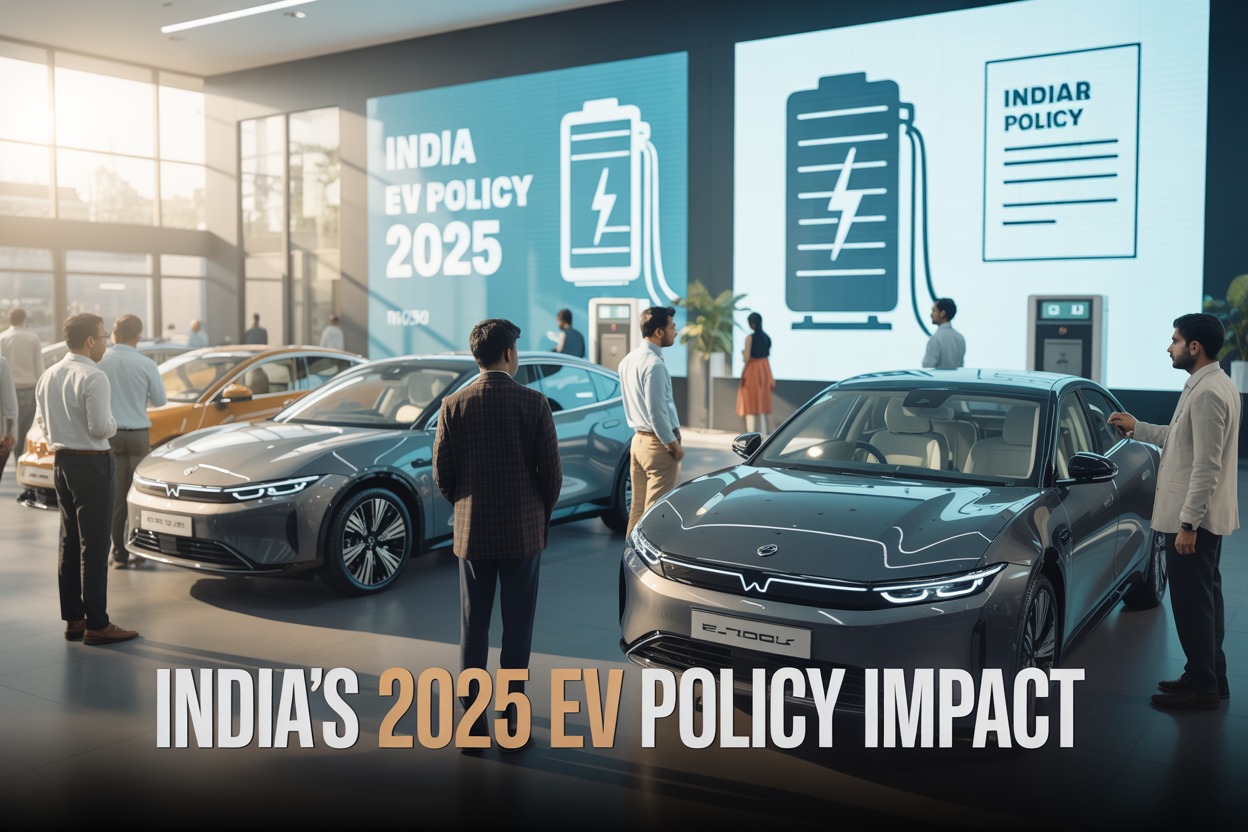
India’s electric vehicle market is experiencing a major shift in 2025, driven by game-changing government policies that are reshaping EV prices and showroom availability. This comprehensive guide is designed for potential EV buyers, automotive industry professionals, and policy watchers who want to understand how recent policy changes will impact their EV purchase decisions and market opportunities.
The Indian government has rolled out several key initiatives in 2025 that are directly affecting what you’ll pay for an EV and which models you’ll find in showrooms. The PM E-DRIVE scheme has allocated ₹10,900 crore to boost EV adoption, while Production Linked Incentive (PLI) policies are attracting global manufacturers to set up local operations. These changes, combined with strategic import duty adjustments, are creating a completely different EV landscape than what existed just a year ago.
We’ll break down how these India EV policy 2025 changes are making electric vehicles more affordable through reduced battery costs and manufacturing incentives. You’ll also learn about the expanded EV models availability in showrooms, as import duty changes are bringing premium global brands to India while PLI incentives encourage domestic production. Finally, we’ll explore how infrastructure development under these policies is making EVs more practical for daily use, addressing the key concerns that have held back widespread adoption.
Major EV Policy Changes Transforming India’s Electric Vehicle Landscape in 2025
PM E-DRIVE Scheme Allocation of ₹10,900 Crore Driving Infrastructure Expansion
The PM E-DRIVE scheme represents a landmark initiative in India’s EV policy 2025, with an unprecedented allocation of ₹10,900 crore marking a substantial 114% increase from previous budgets. This massive financial commitment demonstrates the government’s unwavering dedication to transforming India’s electric mobility ecosystem through strategic infrastructure development and manufacturing capabilities.
The scheme’s comprehensive approach targets three critical areas: public transport electrification, charging infrastructure expansion, and localized EV manufacturing. By prioritizing public transport electrification, the government aims to accelerate the adoption of electric buses and commercial vehicles, creating a visible demonstration effect that encourages private vehicle owners to transition to electric alternatives. The charging infrastructure expansion component addresses one of the most significant barriers to EV adoption, ensuring that range anxiety becomes a concern of the past.
Production Linked Incentive (PLI) Scheme Sevenfold Increase Attracting Domestic and Foreign Investments
The PLI scheme electric vehicles component has witnessed a remarkable sevenfold increase in incentives, specifically targeting automotive components and battery manufacturing sectors. This dramatic enhancement in financial support creates compelling opportunities for both domestic and foreign companies to establish comprehensive manufacturing ecosystems within India.
The scheme’s strategic focus on attracting companies to set up battery plants, EV assembly lines, and component manufacturing hubs aligns perfectly with the ‘Make in India’ initiative. International manufacturers now have substantial financial incentives to relocate their production facilities to India, while domestic companies receive the necessary support to scale their operations and compete globally. This policy transformation is expected to position India as a global hub for EV manufacturing, reducing dependence on imports while creating significant employment opportunities.
Import Duty Rationalization for EVs Above $35,000 Enabling Global Brand Entry
Import duty changes India has implemented for electric vehicles priced above US$35,000 represent a strategic shift toward market liberalization while maintaining protection for domestic manufacturers in the affordable segment. This rationalization facilitates the entry of premium global brands like BYD, Hyundai, and potentially Tesla into the Indian market, providing consumers with access to advanced EV technologies and diverse model options.
The policy cleverly encourages local assembly by offering additional concessions for manufacturers who establish production facilities in India. This approach ensures that while global brands gain market access, they contribute to domestic manufacturing capabilities, technology transfer, and job creation. The $35,000 threshold protects the mass-market segment where domestic manufacturers compete, while opening the premium segment to international competition.
FAME-III Implementation with Enhanced Safety Standards and Wider Subsidy Coverage
FAME-III implementation introduces stricter battery safety standards while expanding subsidy coverage to include two-wheelers and fleet vehicles more comprehensively. This enhanced framework builds upon the foundation established by FAME-II, which continues to subsidize two-wheelers, three-wheelers, and buses to reduce upfront costs for consumers.
The focus on stricter battery safety standards addresses growing concerns about EV safety incidents, ensuring that subsidized vehicles meet rigorous quality benchmarks. The wider subsidy coverage particularly benefits fleet operators and two-wheeler users, segments that represent the largest potential for immediate EV adoption in India. By boosting local manufacturing under the ‘Make in India’ framework, FAME-III ensures that subsidy benefits translate into domestic industrial growth while making electric vehicles more affordable for average consumers.
How These Policies Directly Impact EV Prices and Affordability for Consumers
Battery cost reduction through import duty exemptions on components lowering overall EV prices
The most significant impact on EV affordability in India comes from strategic import duty exemptions on battery components, which directly address the primary cost barrier for electric vehicles. Since batteries constitute almost 40% of an EV’s cost, these exemptions create substantial price reductions across all vehicle categories. This policy intervention targets the core component responsible for the majority of manufacturing expenses, enabling manufacturers to pass these savings directly to consumers.
The reduction in battery costs through import duty relief translates into immediate affordability improvements for both entry-level and premium electric vehicles. With battery technology being the most expensive component in EVs, even modest duty reductions can result in thousands of rupees in savings for consumers, making electric vehicle prices India 2025 significantly more competitive against conventional vehicles.
GST relief maintaining 5% rate on EVs while reducing renewable energy device costs
India’s tax structure continues to favor electric vehicle adoption through strategic GST policies implemented by the 56th GST Council. The maintenance of GST on EVs at 5% ensures that electric vehicles remain substantially cheaper than conventional vehicles from a tax perspective, supporting the broader EV affordability India initiative.
Additionally, the reduction of GST on renewable energy devices from 12% to 5% creates a dual benefit for EV owners. This policy change makes solar-backed charging infrastructure more cost-friendly, reducing the overall cost of ownership for electric vehicles. The combined effect of favorable EV taxation and reduced charging infrastructure costs creates a comprehensive affordability framework that supports long-term adoption.
State-specific incentives and subsidies across major Indian states
Regional policy variations across major Indian states create additional layers of affordability support beyond central government initiatives. States like Delhi, Maharashtra, Tamil Nadu, Karnataka, and Uttar Pradesh have implemented comprehensive incentive packages that include additional tax exemptions, registration fee waivers, and direct subsidies to increase regional EV adoption.
These state-specific programs work in conjunction with central policies to create localized affordability improvements. The registration fee waivers alone can save consumers several thousand rupees, while direct subsidies provide immediate purchase incentives that reduce upfront costs significantly.
Enhanced financing options and direct purchase subsidies for two-wheelers and fleet vehicles
The FAME-II and FAME III schemes represent the government’s commitment to making electric vehicles accessible across different market segments. These central subsidy programs specifically target two-wheelers, three-wheelers, buses, and fleet vehicles, thereby lowering upfront costs and increasing affordability, especially for two-wheelers and entry-level cars.
The focus on two-wheelers is particularly strategic, as this segment represents the largest opportunity for mass EV adoption in India. Direct purchase subsidies reduce the initial investment barrier, making electric two-wheelers competitive with conventional alternatives while enhanced financing options provide flexible payment structures that accommodate diverse income levels across the consumer base.
Expanded EV Model Availability and Market Access in Indian Showrooms
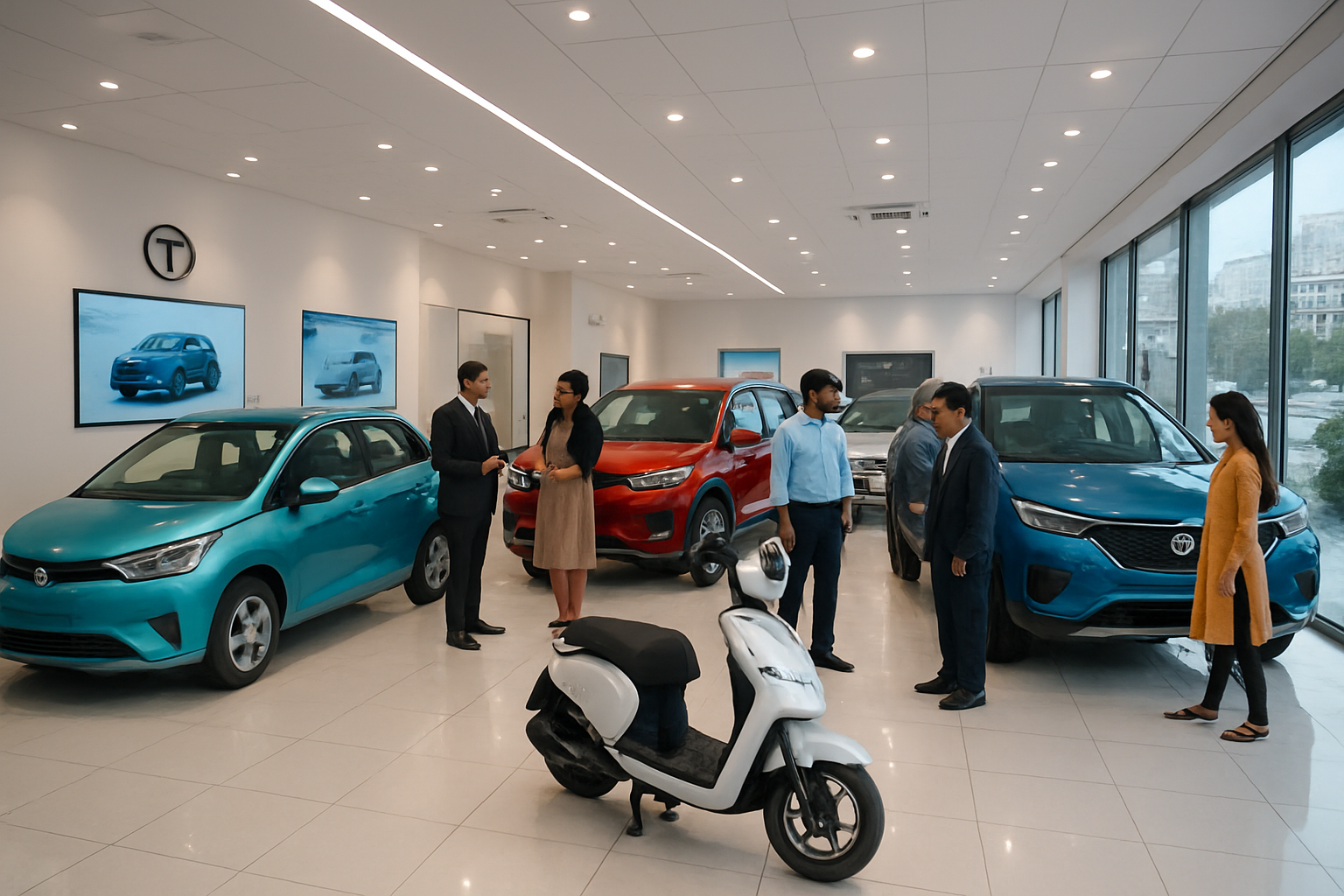
Premium international brands entering Indian market through reduced import duties
The reduction of import duties for EVs priced above US$35,000 has created a significant opening for premium international manufacturers to establish their presence in Indian showrooms. This EV import duty changes India policy has directly facilitated the entry of renowned global brands like BYD and Hyundai into the Indian electric vehicle market. The lowered barriers have made it economically viable for these manufacturers to bring their high-end electric models to Indian consumers, who previously had limited access to premium international EV options.
The impact of these reduced duties extends beyond just pricing, as it enables these brands to test the Indian market waters before committing to larger investments in local manufacturing. Tesla’s potential entry into the Indian market has also been closely linked to these import duty concessions, representing a major shift in India EV policy 2025 that prioritizes market accessibility for premium brands.
Domestic manufacturing boost creating more local EV options
With this policy framework in place, the PLI scheme electric vehicles has become instrumental in strengthening domestic manufacturing capabilities. Local manufacturers including Tata Motors, Mahindra, and JSW-MG are experiencing enhanced support that translates directly into improved EV models availability showrooms across the country.
The PLI scheme’s impact manifests in multiple ways for consumers: better availability of locally manufactured models, expanded model choices within domestic brands, and significantly improved after-sales service networks. This domestic manufacturing boost ensures that Indian consumers have access to EVs that are specifically designed for local conditions while maintaining competitive pricing through local production advantages.
Wider vehicle category coverage including two-wheelers, three-wheelers, and commercial vehicles
Now that premium and domestic passenger vehicles have expanded market access, policy initiatives like PM E-DRIVE scheme and FAME schemes are ensuring comprehensive coverage across all vehicle categories. This broader approach encompasses two-wheelers, three-wheelers, buses, e-ambulances, and delivery vans, making electric mobility accessible across different economic segments and use cases.
The inclusion of commercial vehicles like delivery vans and e-ambulances represents a strategic approach to EV affordability India, as these categories often have high utilization rates that can justify the investment in electric technology. Two-wheelers and three-wheelers, being the most common forms of transportation in India, benefit significantly from these policy initiatives, making EVs practical options for everyday commuters and small business operators.
Local assembly requirements encouraging global manufacturers to establish Indian operations
Previously, international manufacturers faced significant barriers to entering the Indian market, but the combination of reduced import duties and PLI incentives now encourages global manufacturers to establish local assembly and manufacturing operations. This strategic approach allows them to qualify for additional concessions while contributing to the ‘Make in India’ initiative.
The local assembly requirements create a win-win scenario: global manufacturers gain access to the vast Indian market with reduced operational costs, while the Indian economy benefits from technology transfer, job creation, and enhanced manufacturing capabilities. This approach ensures that the electric vehicle market transformation India is sustainable and contributes to long-term economic growth rather than just import dependency.
These local operations also enable manufacturers to customize their offerings for Indian road conditions and consumer preferences, resulting in better-suited electric vehicles that can compete effectively with traditional internal combustion engine vehicles in terms of both performance and pricing.
Infrastructure Development Making EVs More Practical for Daily Use
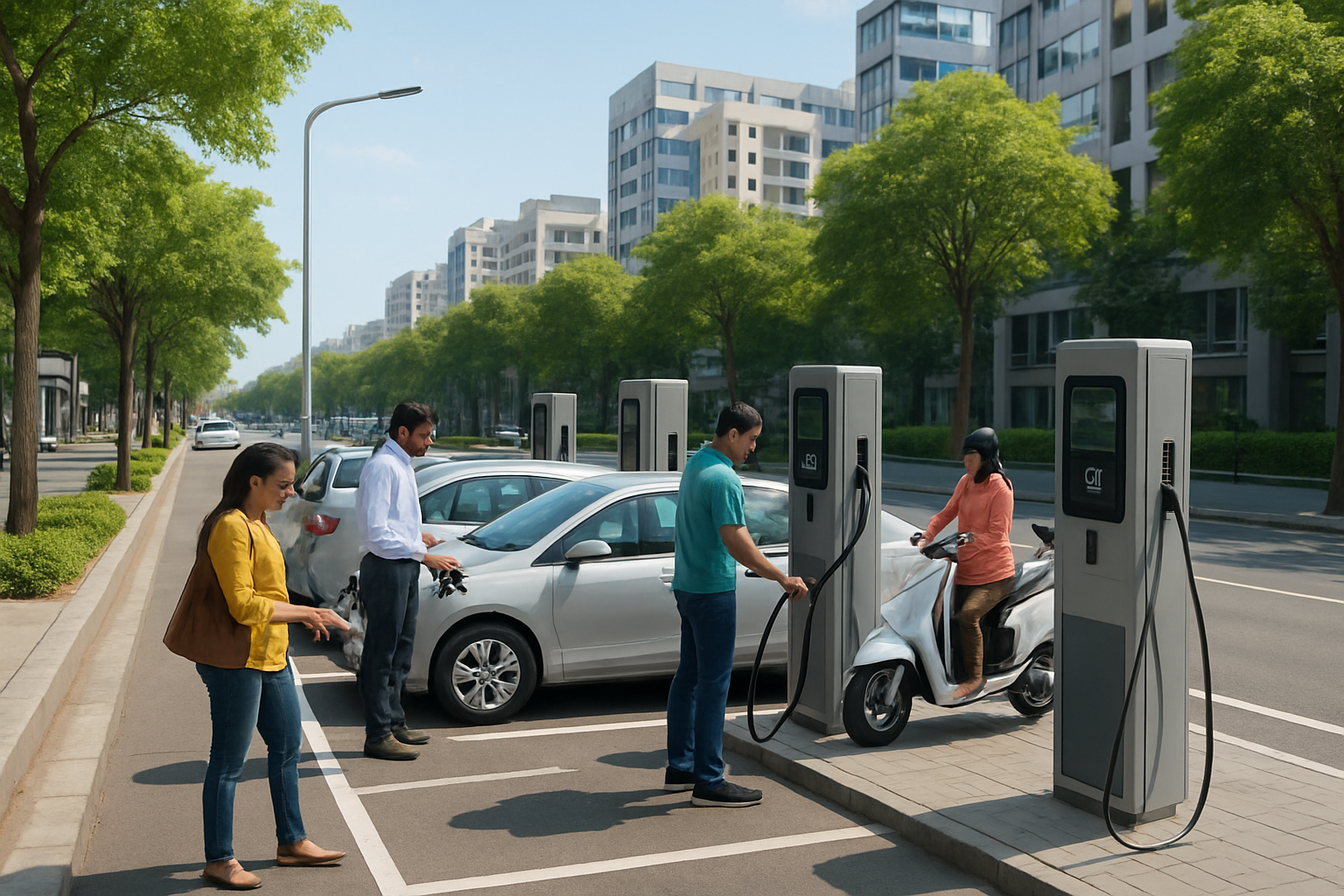
Charging station network expansion reaching tier-2 and tier-3 cities
The PM E-DRIVE scheme and FAME-II policies have fundamentally transformed India’s charging infrastructure landscape, establishing over 26,000 charging stations across the country. This massive deployment goes far beyond metropolitan areas, strategically extending into tier-2 and tier-3 cities to ensure comprehensive coverage. The India EV policy 2025 specifically targets these smaller cities and rural areas, recognizing that widespread EV adoption requires accessible charging infrastructure in every corner of the nation.
This expansion directly addresses one of the primary barriers to EV adoption – the fear of being stranded without charging options. By bringing charging stations to previously underserved regions, the policy creates a foundation for India electric vehicle infrastructure that supports both urban commuters and intercity travelers.
Battery swapping infrastructure deployment for commercial vehicles
Commercial vehicle operations have received particular attention through the deployment of over 1,000 battery-swapping points nationwide. This infrastructure development represents a crucial shift in how commercial EVs can operate efficiently without extended charging downtime. Battery swapping technology allows commercial vehicles to exchange depleted batteries for fully charged ones within minutes, maintaining operational efficiency that traditional charging methods cannot match.
The strategic placement of these swapping stations creates a network particularly beneficial for fleet operators, delivery services, and public transportation systems that require minimal downtime and maximum operational hours.
Mobile charging solutions addressing range anxiety concerns
Innovation in charging accessibility has led to the introduction of mobile EV charging solutions that provide on-demand power delivery. These mobile units can reach vehicles at home, on the road, or at workplace locations, effectively eliminating range anxiety concerns that have historically deterred potential EV buyers. This flexibility ensures that EV owners are never truly stranded, as charging assistance can be summoned when needed.
These mobile solutions complement fixed charging infrastructure by providing emergency charging options and serving areas where permanent charging stations may not yet be economically viable.
Integration with renewable energy systems reducing charging costs
The integration of renewable energy systems with EV charging infrastructure creates a sustainable and cost-effective charging ecosystem. Reductions in GST on renewable energy devices have made solar-backed charging stations more financially attractive for operators. Energy Storage Systems (ESS) combined with renewable energy sources enable the storage of clean power, significantly cutting electricity bills for both charging station operators and EV owners.
This renewable integration not only reduces operational costs but also aligns with India’s broader sustainability goals, making EV charging more environmentally responsible and economically viable for long-term adoption.
Long-term Economic Benefits and Market Transformation Expected Through 2027
Reduced dependency on oil imports strengthening India’s energy security
India’s transition to electric vehicles represents a strategic shift away from fossil fuel dependency, fundamentally transforming the nation’s energy security landscape. Proactive government policies are critical to reduce India’s reliance on fossil fuels and oil imports, strengthening the country’s energy security. The India EV policy 2025 initiatives create a robust framework that positions the country to achieve greater energy independence while reducing vulnerability to global oil price fluctuations and supply chain disruptions.
This strategic pivot toward electric vehicle market transformation India ensures that domestic energy resources can be better allocated, reducing the massive foreign exchange outflow currently spent on petroleum imports. The cumulative impact of widespread EV adoption will create a more resilient energy ecosystem that supports national economic stability.
Job creation in manufacturing and service sectors
The PM E-DRIVE scheme and related policy initiatives are catalyzing unprecedented employment opportunities across multiple industry verticals. Local manufacturing initiatives are creating jobs, cutting costs, and boosting local industries, with career opportunities emerging in compliance, sustainability consulting, public-private partnerships, manufacturing, and supply chain management.
This employment surge extends beyond traditional manufacturing roles, encompassing specialized positions in battery technology, charging infrastructure development, software integration, and maintenance services. The ripple effect creates opportunities in logistics, quality assurance, research and development, and technical training programs that support the expanding PLI scheme electric vehicles ecosystem.
Technology transfer and innovation hubs development
Government measures stimulate foreign investment, enabling collaborations with local suppliers, and fostering technological innovation and the growth of supporting industries. These partnerships facilitate crucial knowledge transfer that accelerates India’s technological capabilities in electric mobility solutions, battery chemistry, and smart charging systems.
Innovation hubs are emerging across major industrial centers, creating clusters of expertise that drive continuous improvement in EV technologies. This collaborative environment between international partners and local manufacturers establishes India as a competitive player in global EV technology development, ultimately benefiting consumers through improved EV affordability India and enhanced product offerings.
Circular economy initiatives through battery recycling and energy storage solutions
Investments in battery recycling solutions are creating a circular, sustainable future by giving old EV batteries a second purpose, such as powering homes and businesses, complemented by Energy Storage Systems (ESS) for sustainable energy use. These initiatives represent a fundamental shift toward sustainable resource management that maximizes the lifecycle value of EV components.
The development of comprehensive battery recycling infrastructure creates additional revenue streams while addressing environmental concerns associated with battery disposal. Energy Storage Systems utilizing repurposed EV batteries provide grid stability solutions and backup power options for residential and commercial applications, further enhancing the economic viability of electric vehicle adoption across India’s diverse market segments.
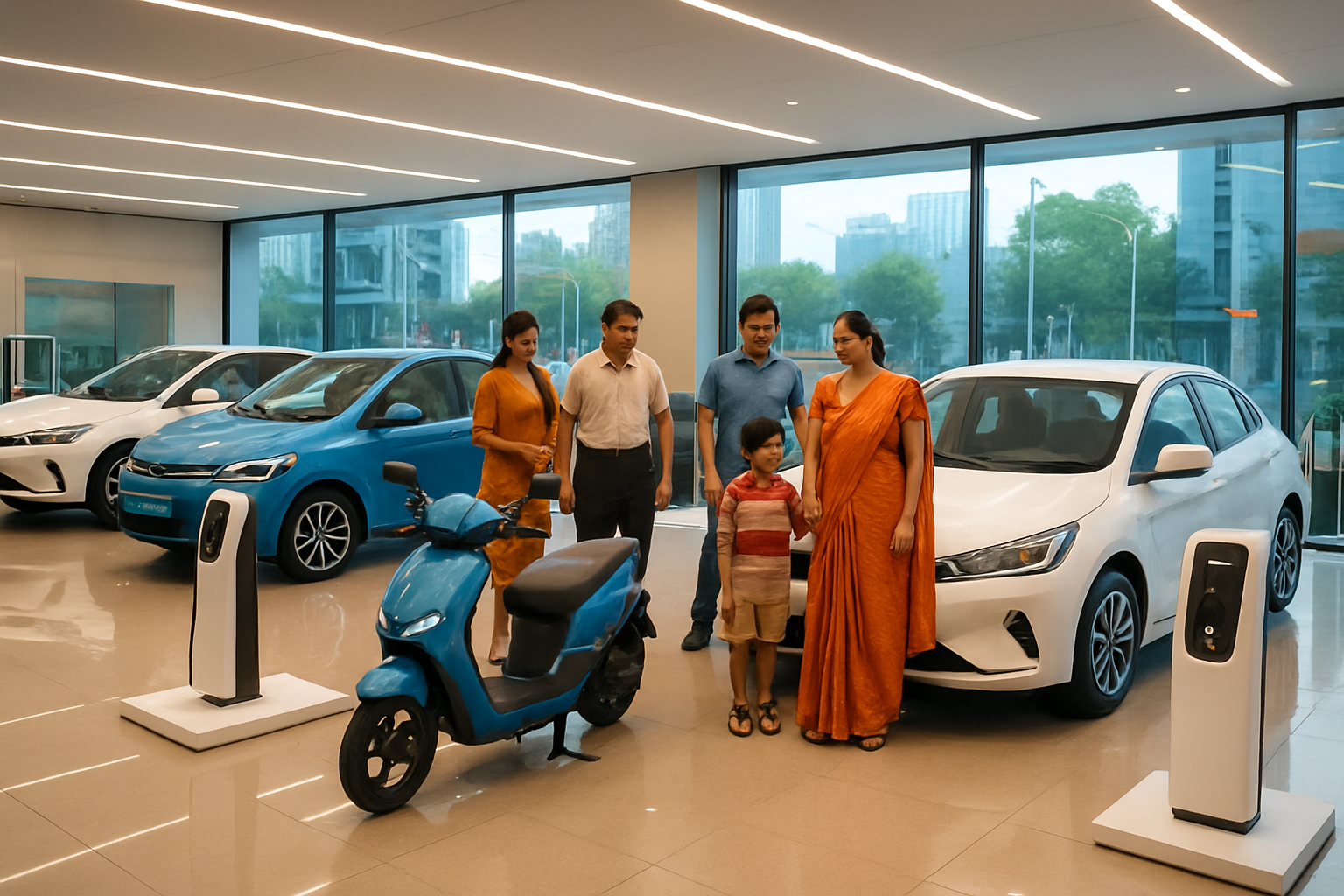
India’s 2025 EV policies represent a watershed moment in the country’s electric mobility journey. The PM E-DRIVE scheme’s ₹10,900 crore allocation, expanded PLI incentives, and strategic import duty rationalization are directly translating into more affordable EVs and greater model availability in showrooms. With EV prices dropping due to reduced battery costs and expanded infrastructure making daily use more practical, consumers now have genuine alternatives across all vehicle segments – from two-wheelers to premium cars.
The economic transformation expected through 2027 positions India not just as an EV market, but as a manufacturing hub capable of serving global demand. For consumers, this means continued price reductions, better charging infrastructure, and access to both domestic and international EV brands. For businesses, the policy framework creates opportunities in manufacturing, infrastructure development, and supporting services. As these initiatives mature, India’s EV ecosystem will become increasingly self-reliant while offering practical, affordable electric mobility solutions for every Indian family and business.