
Diesel cars comeback is reshaping the automotive market after years of declining sales and negative headlines. Car buyers, fleet managers, and automotive enthusiasts are rediscovering why diesel engines might be the smart choice in today’s market.
Recent breakthroughs in diesel technology have addressed many past concerns while delivering impressive fuel economy and performance gains. At the same time, new research is challenging some common beliefs about diesel’s environmental impact.
We’ll explore the economic advantages that make diesel cars attractive to budget-conscious drivers and examine how modern diesel engines outperform their predecessors. You’ll also discover the latest market trends showing renewed interest in diesel vehicles across different segments.
Economic Advantages Driving Diesel Popularity

Superior fuel efficiency saves money at the pump
Diesel engines deliver remarkable fuel economy that consistently outperforms gasoline counterparts by 20-40%. This translates to real savings every time you fill up. A typical diesel sedan can achieve 35-45 mpg in combined driving, while comparable gasoline vehicles struggle to reach 30 mpg. For drivers covering 15,000 miles annually, this difference means purchasing roughly 100-150 fewer gallons of fuel each year.
The efficiency advantage becomes even more pronounced during highway driving, where diesel engines truly shine. Many diesel vehicles achieve 50+ mpg on interstate journeys, making them ideal for commuters and road trip enthusiasts. Even with diesel fuel prices running slightly higher than regular gasoline, the superior mileage often results in lower overall fuel costs.
Lower maintenance costs compared to gasoline engines
Diesel engines are built to withstand higher compression ratios and operating pressures, resulting in more robust construction throughout. This durability translates to longer intervals between major services and fewer unexpected repairs. Oil change intervals for diesel vehicles typically extend to 7,500-10,000 miles compared to 3,000-5,000 miles for many gasoline engines.
The absence of spark plugs and ignition systems eliminates common failure points that plague gasoline vehicles. Diesel engines rely on compression ignition, removing the need for tune-ups involving spark plug replacements, ignition coil repairs, or distributor maintenance. Fuel injection systems in modern diesels are also exceptionally reliable, often lasting the vehicle’s lifetime without major intervention.
Higher resale value retention over time
Diesel vehicles consistently command premium prices in the used car market due to their reputation for longevity and reliability. Industry data shows diesel cars retain 5-15% more value after five years compared to equivalent gasoline models. This retention stems from buyer confidence in diesel durability and the knowledge that these engines often perform well beyond 200,000 miles with proper care.
Commercial buyers particularly seek out used diesel vehicles for fleet operations, creating steady demand that supports higher resale prices. The perception of diesel engines as workhorses that can handle demanding conditions makes them attractive to buyers planning to keep vehicles long-term or use them for towing and hauling applications.
Reduced total cost of ownership for long-distance drivers
High-mileage drivers see the most dramatic cost benefits from diesel ownership. The combination of superior fuel economy, extended maintenance intervals, and exceptional durability creates a compelling financial case for anyone driving over 15,000 miles annually. Fleet operators have long recognized these advantages, with many commercial operations reporting 20-30% lower operating costs per mile with diesel vehicles.
The break-even point for diesel ownership typically occurs around 12,000-15,000 annual miles, after which the savings accelerate significantly. Professional drivers, sales representatives, and rural residents who regularly cover long distances find that diesel vehicles pay for their higher initial purchase price within 2-3 years through reduced operating expenses.
Environmental Misconceptions Being Corrected

Modern diesel technology drastically cuts emissions
Today’s diesel engines bear little resemblance to their smoke-belching predecessors from decades past. The latest diesel systems incorporate sophisticated emission control technologies that have transformed these powertrains into remarkably clean alternatives. Selective Catalytic Reduction (SCR) systems inject a urea-based solution called AdBlue into the exhaust stream, breaking down harmful nitrogen oxides into harmless nitrogen and water vapor. This technology achieves NOx reduction rates exceeding 90% compared to older diesel engines.
Manufacturers have also integrated Diesel Particulate Filters (DPF) as standard equipment, which trap and burn off soot particles before they exit the tailpipe. These systems work in tandem with advanced engine management computers that optimize combustion timing, fuel injection pressure, and air-fuel ratios to minimize pollutant formation at the source.
The European Euro 6 emissions standards, which many modern diesels already exceed, demonstrate just how clean these engines have become. Real-world testing shows that new diesel vehicles often produce emission levels comparable to gasoline engines across most measured pollutants.
Advanced filtration systems eliminate harmful particles
Modern diesel vehicles employ multi-stage filtration systems that capture particles as small as 0.1 microns – smaller than most bacteria. Wall-flow diesel particulate filters force exhaust gases through porous ceramic walls that trap soot particles while allowing clean gases to pass through.
These filters undergo automatic regeneration cycles where captured particles burn off at high temperatures, leaving behind only trace amounts of ash. The process happens seamlessly during normal driving conditions, requiring no driver intervention or maintenance.
Additional upstream filtration includes:
- Diesel Oxidation Catalysts (DOC) that convert carbon monoxide and hydrocarbons into harmless compounds
- Exhaust Gas Recirculation (EGR) systems that reduce combustion temperatures
- Closed Crankcase Ventilation systems that prevent oil vapors from escaping
Lower CO2 output compared to gasoline alternatives
Diesel fuel contains approximately 15% more energy per gallon than gasoline, which translates directly to superior fuel efficiency and reduced carbon dioxide emissions. The higher compression ratios in diesel engines – typically 14:1 to 23:1 versus 8:1 to 12:1 in gasoline engines – extract more energy from each unit of fuel burned.
Real-world comparisons show diesel vehicles typically produce 20-30% less CO2 than equivalent gasoline models. A diesel sedan averaging 45 mpg will emit roughly 4,400 pounds of CO2 annually, while a comparable gasoline vehicle achieving 35 mpg produces about 5,100 pounds – a difference of 700 pounds per year.
| Vehicle Type | Average MPG | Annual CO2 (lbs) | Difference |
|---|---|---|---|
| Diesel Sedan | 45 | 4,400 | Baseline |
| Gas Sedan | 35 | 5,100 | +16% |
| Diesel SUV | 35 | 5,700 | Baseline |
| Gas SUV | 28 | 7,100 | +25% |
This advantage becomes even more pronounced in larger vehicles where diesel’s torque characteristics shine brightest.
Performance Benefits That Appeal to Drivers
Exceptional Torque Delivery for Towing and Hauling
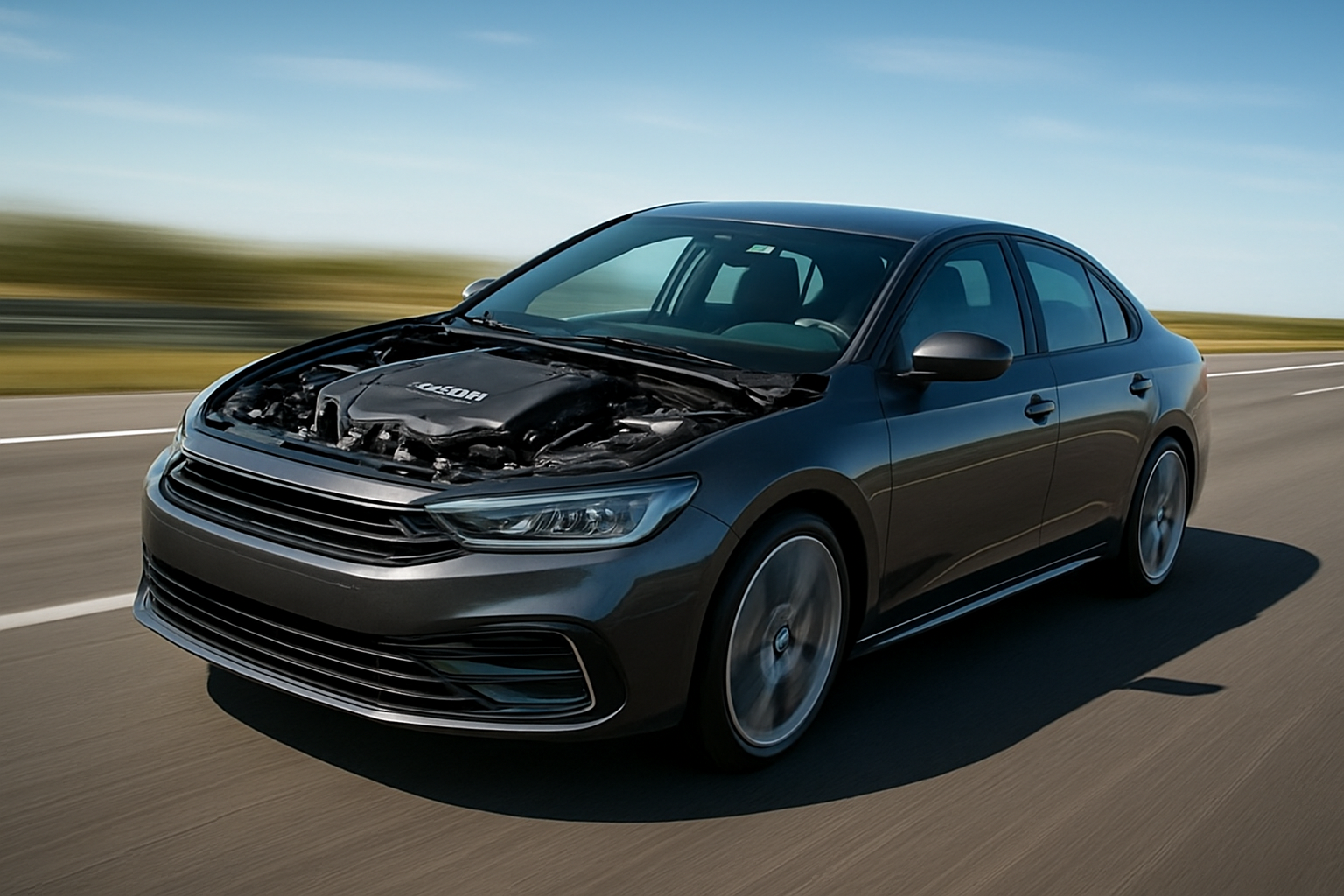
Diesel engines produce massive amounts of torque at low RPMs, making them absolute champions when it comes to pulling heavy loads. While gasoline engines need to rev high to access their power, diesels deliver their grunt right from idle. This translates to effortless trailer towing, boat hauling, and moving heavy equipment without breaking a sweat.
A typical diesel pickup truck can generate 400-500 lb-ft of torque compared to 300-350 lb-ft from its gasoline counterpart. This difference becomes crucial when climbing steep grades with a loaded trailer or accelerating from a dead stop while towing. The engine doesn’t strain, transmission downshifts are minimal, and the overall driving experience remains smooth and controlled.
Commercial drivers and weekend warriors alike appreciate how diesels maintain their pulling power even under extreme conditions. Whether hauling construction materials to a job site or towing a camper up mountain passes, diesel engines deliver consistent performance that gasoline engines simply can’t match.
Longer Engine Lifespan with Proper Maintenance
Diesel engines are built like tanks, designed to withstand the higher compression ratios and combustion pressures inherent to diesel operation. These robust internal components often allow diesel engines to accumulate 300,000-500,000 miles with regular maintenance, while gasoline engines typically need major overhauls around 200,000 miles.
The key lies in diesel fuel’s superior lubricating properties compared to gasoline. Diesel naturally lubricates engine components during combustion, reducing internal wear and extending component life. Heavy-duty diesel engines in commercial applications routinely surpass one million miles with proper care.
Regular oil changes, fuel filter replacements, and cooling system maintenance are critical for achieving these impressive longevity numbers. Many diesel owners report their engines running stronger at 200,000 miles than some gasoline engines at 100,000 miles, making diesels an excellent long-term investment for high-mileage drivers.
Enhanced Highway Driving Experience
Highway cruising represents diesel engines at their absolute best. Once up to speed, diesels settle into an efficient, relaxed rhythm that gasoline engines can’t replicate. The abundant low-end torque means less frequent downshifting when passing slower traffic or climbing gentle hills, creating a more serene driving experience.
Diesel engines operate at lower RPMs during highway speeds, resulting in reduced engine noise and vibration inside the cabin. Modern diesel vehicles cruise comfortably at 1,500-2,000 RPM where gasoline engines would be spinning at 2,500-3,000 RPM for the same speed. This translates to a quieter, more refined ride quality during long-distance travel.
The superior fuel efficiency on highways also means fewer fuel stops during road trips. Many diesel vehicles achieve 30-40 MPG on the highway, allowing drivers to cover 600-700 miles between fill-ups. This extended range, combined with the relaxed driving characteristics, makes diesels ideal for frequent highway travelers and long-distance commuters.
Improved Acceleration from Low RPMs
Diesel engines excel at delivering usable power where drivers actually need it most – during everyday driving situations. The broad torque curve means strong acceleration from traffic lights, merging onto highways, and passing maneuvers without needing to downshift or rev the engine aggressively.
This low-RPM power delivery creates a unique driving character that many enthusiasts prefer over high-revving gasoline engines. The engine responds immediately to throttle inputs without the delay associated with turbo lag in older diesel designs. Modern common-rail injection systems and variable geometry turbochargers have virtually eliminated the sluggish response that plagued earlier diesel vehicles.
Daily driving becomes more effortless when the engine produces its peak torque at just 1,500-2,500 RPM. Whether navigating city traffic, climbing parking garage ramps, or accelerating with a full passenger load, diesel engines provide consistent, predictable power delivery that makes every drive more enjoyable and less stressful.
Technological Breakthroughs Transforming Diesel Engines
Clean Diesel Technology Meets Strict Emission Standards
Modern diesel engines bear little resemblance to their smoke-belching predecessors. The game-changing innovation came with selective catalytic reduction (SCR) technology, which uses diesel exhaust fluid (DEF) to convert harmful nitrogen oxides into harmless nitrogen and water vapor. This breakthrough allows diesel engines to meet Euro 6 standards and EPA Tier 3 regulations with ease.
Diesel particulate filters (DPF) represent another major leap forward. These sophisticated systems trap and burn off soot particles, reducing emissions by up to 95%. When combined with exhaust gas recirculation (EGR) systems that cool and recirculate exhaust gases back into the combustion chamber, these technologies create an incredibly clean burn.
The results speak volumes: today’s clean diesel vehicles produce 90% fewer emissions than models from just two decades ago. Many diesel cars now emit less CO2 per mile than their gasoline counterparts, making them an attractive option for environmentally conscious drivers.
Turbocharging Innovations Boost Power and Efficiency
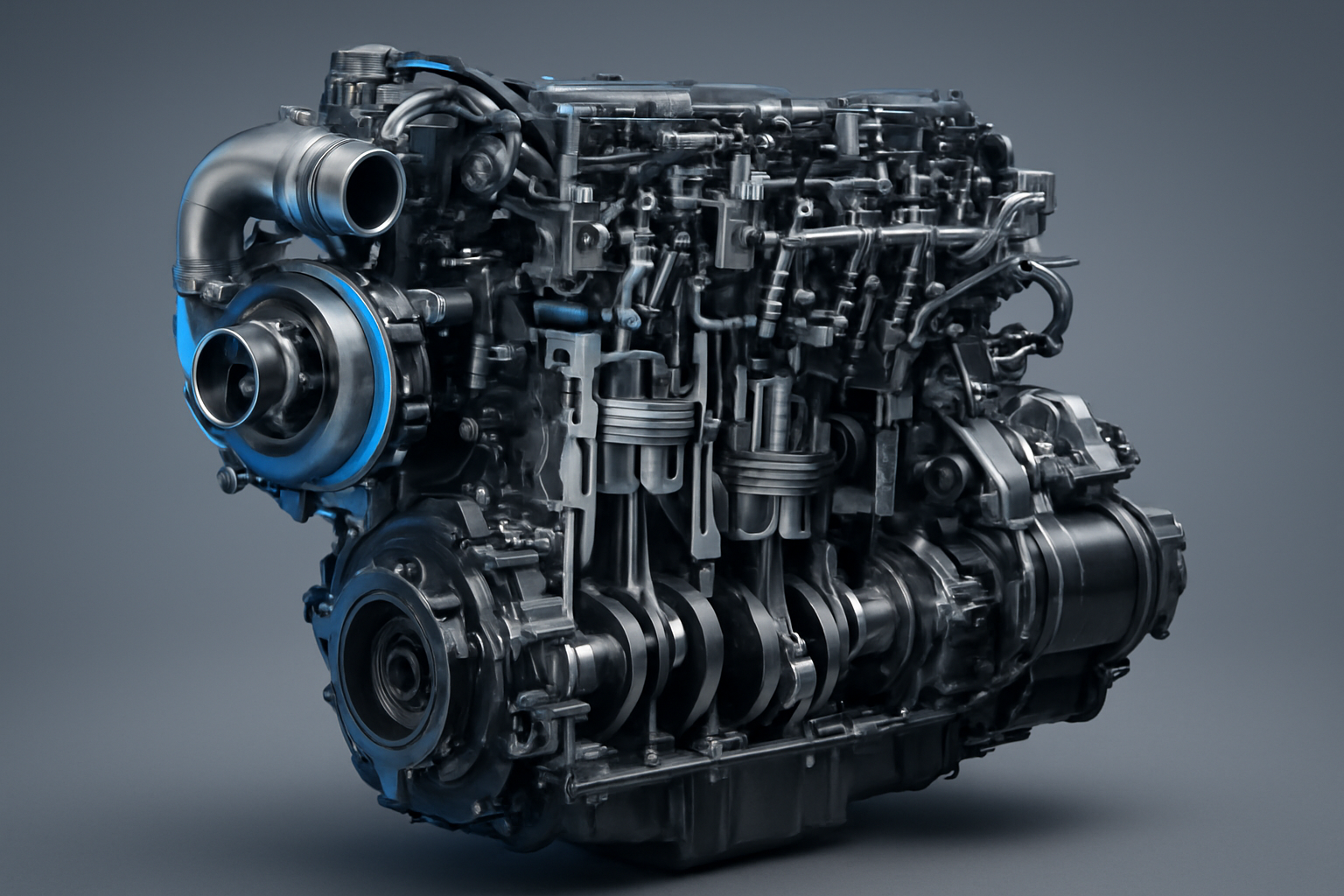
Variable geometry turbochargers (VGT) have revolutionized diesel performance by adapting to different engine speeds and loads. Unlike fixed-geometry turbos, VGT systems adjust their internal vanes to optimize airflow, delivering instant throttle response at low RPMs while maintaining efficiency at highway speeds.
Twin-turbo setups take this concept even further. Sequential turbocharging uses a smaller turbo for low-end torque and a larger one for high-speed power, eliminating the traditional “turbo lag” that once plagued diesel engines. Some manufacturers now employ electric turbochargers that spin up instantly using battery power, providing immediate boost pressure before exhaust gases take over.
These advances translate to real-world benefits: modern diesel engines deliver 25-30% better fuel economy than equivalent gasoline engines while producing torque figures that would make muscle car enthusiasts jealous. A typical diesel sedan now generates 400+ lb-ft of torque, making highway merging and mountain climbing effortless.
Advanced Fuel Injection Systems Optimize Combustion
Common rail direct injection systems represent the pinnacle of diesel fuel delivery technology. Operating at pressures exceeding 30,000 PSI, these systems atomize diesel fuel into microscopic droplets that burn more completely and efficiently than ever before.
Piezoelectric injectors respond in milliseconds, enabling multiple injection events per combustion cycle. Pre-injection shots warm the combustion chamber, main injection provides power, and post-injection events help regenerate emission control systems. This precise control reduces noise, vibration, and emissions while maximizing power output.
Computer-controlled injection timing adapts to driving conditions in real-time. The engine management system monitors dozens of parameters including throttle position, engine temperature, and altitude to deliver the perfect fuel quantity at the optimal moment. This level of precision makes modern diesels remarkably quiet and smooth, dispelling old stereotypes about noisy, rough-running diesel engines.
Market Trends Supporting Diesel Revival

Growing demand for fuel-efficient commercial vehicles
Commercial fleets are leading the charge in diesel’s resurgence, and the numbers tell a compelling story. Shipping companies, delivery services, and transportation businesses are discovering that diesel vehicles offer unmatched value when it comes to long-haul efficiency and operating costs. A typical diesel truck can deliver 20-30% better fuel economy compared to gasoline counterparts, which translates to significant savings over hundreds of thousands of miles.
Fleet managers are particularly drawn to diesel’s torque characteristics, which allow vehicles to handle heavy loads without straining the engine. This capability proves essential for businesses moving freight across long distances. Amazon’s logistics network, for example, has expanded their diesel vehicle fleet by 40% over the past three years, citing lower total cost of ownership as the primary driver.
Increased availability of quality diesel fuel nationwide
The infrastructure supporting diesel has transformed dramatically. Gas stations that once offered poor-quality diesel or limited availability now stock premium diesel fuel with improved additives and lower sulfur content. Major fuel retailers like Shell, BP, and ExxonMobil have invested billions in upgrading their diesel supply chains, ensuring consistent quality across their networks.
Ultra-low sulfur diesel (ULSD) is now the standard at over 95% of fuel stations nationwide, compared to just 60% a decade ago. This improvement addresses previous concerns about fuel quality and engine longevity that once deterred potential diesel buyers.
Manufacturer investments in diesel engine development
Automotive manufacturers are doubling down on diesel technology with unprecedented investment levels. Ford allocated $2.8 billion specifically for diesel engine research and development in 2023, while General Motors launched their most ambitious diesel program to date. These investments focus on reducing emissions while maximizing performance and fuel efficiency.
European manufacturers like BMW, Mercedes-Benz, and Volkswagen continue advancing clean diesel technologies, with many innovations making their way to American markets. The competition has sparked rapid improvements in engine design, fuel injection systems, and emissions control technology.
Consumer awareness of diesel advantages spreading
Social media and online automotive communities have become powerful platforms for sharing real-world diesel experiences. YouTube channels dedicated to diesel truck reviews regularly attract millions of views, while forums like DieselPlace and TDIClub have grown their memberships substantially. This grassroots information sharing helps dispel myths about diesel reliability and maintenance costs.
Consumer reports and automotive publications now feature regular diesel vehicle comparisons, highlighting advantages that were previously overlooked or misunderstood by mainstream buyers.
Government incentives for cleaner diesel technologies
Federal and state programs are actively supporting cleaner diesel adoption through tax credits and rebates. The EPA’s Diesel Emissions Reduction Act provides funding for diesel engine upgrades and replacements, while several states offer purchase incentives for vehicles meeting stringent emissions standards.
California’s Advanced Clean Cars II program includes provisions for clean diesel technology, recognizing its role in reducing overall transportation emissions. These policy shifts represent a significant change from previous approaches that broadly discouraged diesel adoption.

Diesel cars are proving they’re far from dead, and the reasons are pretty compelling. Between better fuel economy that saves you real money at the pump, impressive performance that beats many gas engines, and clean technology that’s changed the environmental game completely, diesel is looking like a smart choice again. The old reputation of dirty, noisy diesel engines just doesn’t match today’s reality.
If you’re shopping for a new car, don’t write off diesel options without doing your homework. The combination of lower fuel costs, stronger towing power, and surprisingly clean emissions might just make diesel the perfect fit for your needs. With automakers continuing to invest in diesel innovation and more models hitting the market, this comeback story is just getting started.