


The Indian automotive industry is rapidly transitioning towards sustainable mobility, with electrification at its core. Electric vehicles (EVs) are no longer a futuristic concept—they are transforming how we commute, reduce emissions, and shape the future of transport in both urban and rural India. This article demystifies EV technology, explains its fundamentals, and explores why electrification matters for Indian consumers and the environment.
What is an Electric Vehicle (EV)?
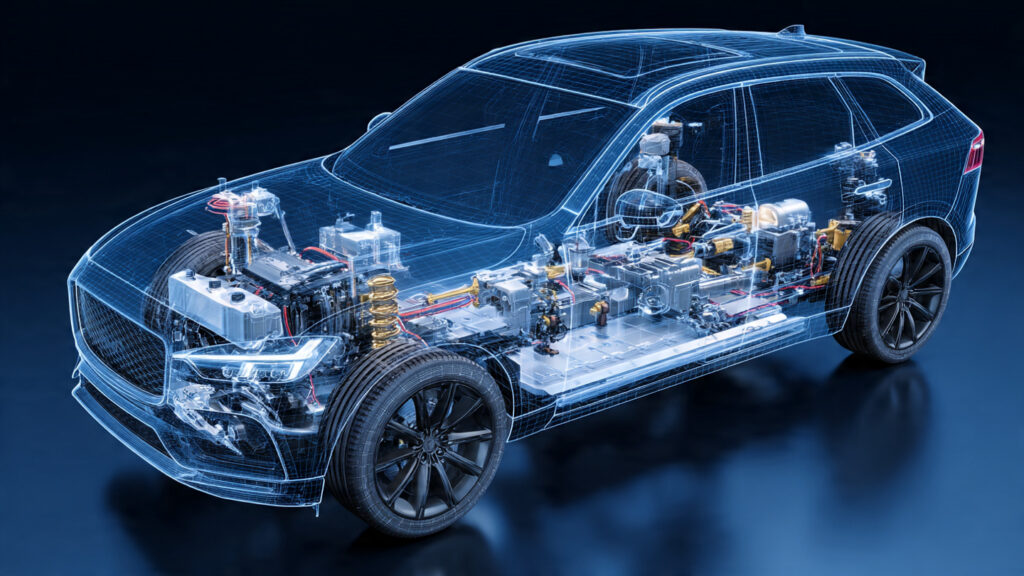
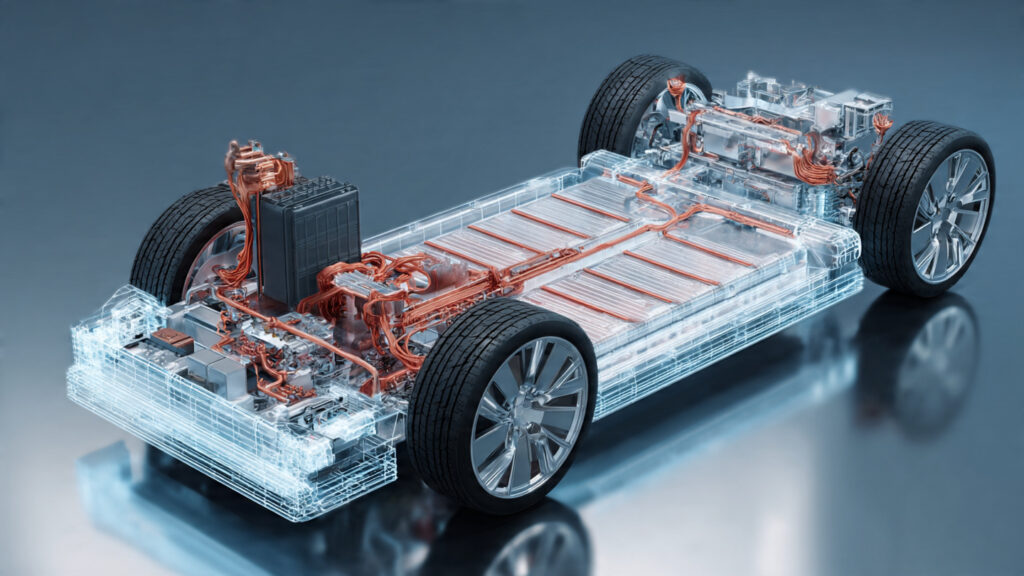
An electric vehicle (EV) is a car or a bike powered by electricity stored in onboard batteries, eliminating the need for petrol or diesel. These vehicles use one or more electric motors to propel the wheels. The key components include:
- Battery Pack: Stores electrical energy, typically lithium-ion or LFP (Lithium Iron Phosphate) cells.
- Electric Motor: Converts electrical energy into mechanical power.
- Power Electronics: Manages the flow of electricity between the battery and the motor.
- Onboard Charger: Allows safe charging from external sources.
Types of Electric Vehicles
There are several categories of EVs present in the Indian market:
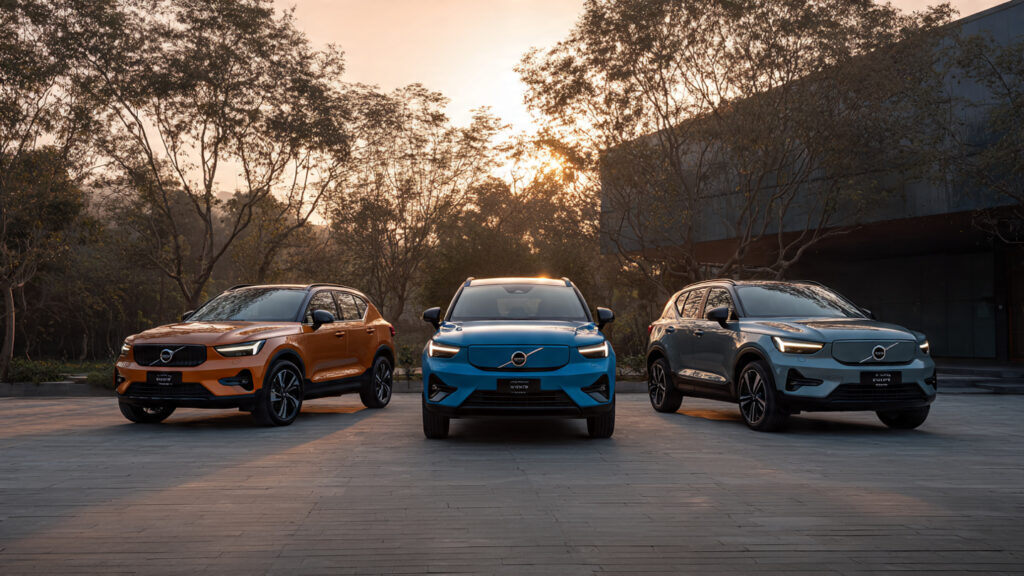
- Battery Electric Vehicle (BEV):
- No combustion engine, runs solely on electric power.
- Examples: Tata Nexon EV, MG ZS EV.
- Plug-in Hybrid Electric Vehicle (PHEV):
- Has both an electric motor and an internal combustion engine (ICE). The battery can be charged by plugging in.
- Examples: Volvo XC90 Recharge.
- Hybrid Electric Vehicle (HEV):
- Both an electric motor and ICE; battery is charged by regenerative braking, not by plugging in.
- Examples: Toyota Innova HyCross, Honda City e:HEV.
How Do EVs Work ?

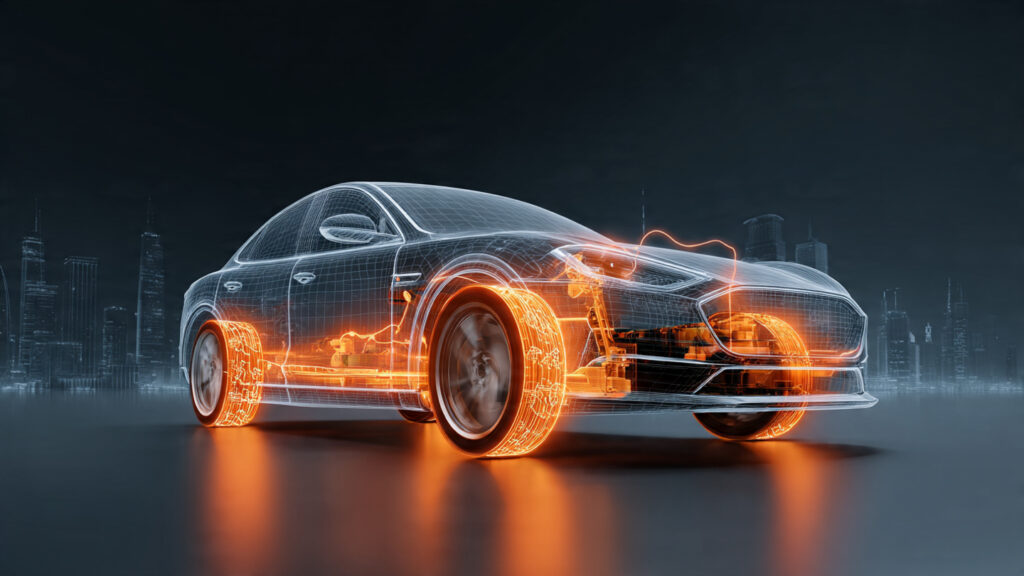
🧠 The Core Idea: Electricity ————-> Motion
A traditional car uses a messy process called Internal Combustion (ICE): burning fuel (explosion!) to create heat, which pushes pistons, which turns a crankshaft, which eventually turns the wheels. Only about 20% of the fuel’s energy actually moves the car; the rest is lost as heat and noise.
An EV, on the other hand, skips all that drama. It simply takes energy stored in a battery and uses it to spin a motor, which directly turns the wheels.
| Component | Analogy | What It Does |
| The Battery Pack | The “Fuel Tank” | Stores the energy as Direct Current (DC) electricity. This is the big, heavy block usually placed flat under the floor of the car. It determines your range. |
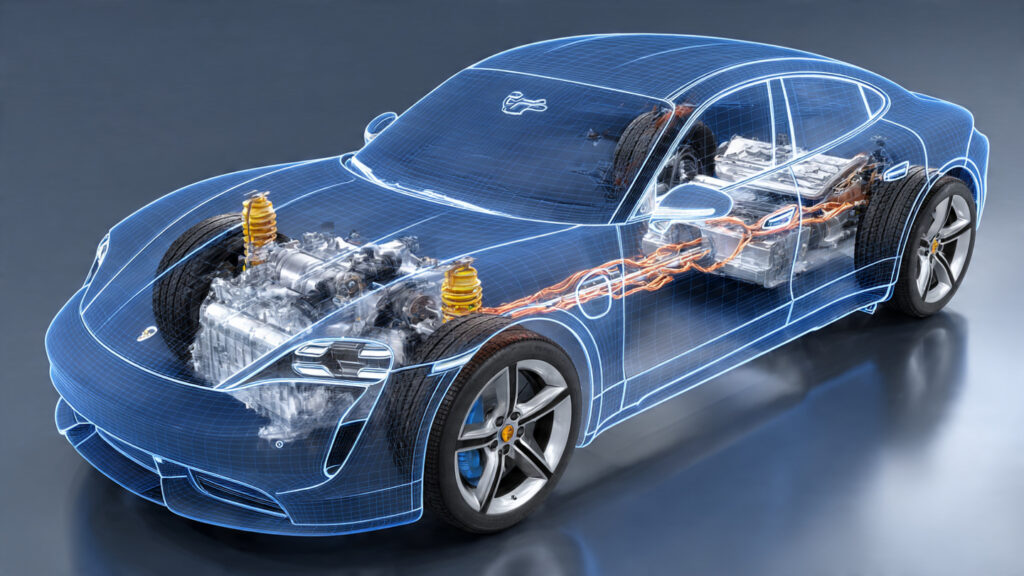
| The Electric Motor | The “Engine” | Converts the electrical energy directly into mechanical energy (rotation). It’s incredibly efficient (about 90%) and delivers all its power instantly (instant torque). |
| The Power Control Unit (PCU) | The “Brain & Translator” | This is the command center. It includes the Inverter, which is critical for turning the battery’s DC power into the Alternating Current (AC) power the motor needs. It also manages how much power goes to the motor based on how hard you press the accelerator. |
| The Transmission (Gearbox) | The “Connection” | Most EVs use a very simple, single-speed gearbox. Because electric motors have a huge power range, they don’t need the multiple gears that petrol cars use. |
🔋 The Power Game : Decoding the EV Battery Revolution in India
The heart of every Electric Vehicle (EV) is its battery. It’s not just a big power pack; it’s a rapidly evolving piece of high-tech chemistry that determines how far you drive, how quickly you charge, and how much the car costs.
Here is your simple guide, enriched with the latest trends and news from the Indian EV ecosystem, showing how battery technology is changing the game right now.
1. The Current Champion: Lithium-Ion Batteries
What it is: This is the battery technology in your phone, laptop, and every EV you see on the road today. They are the dominant technology because they offer high energy density (meaning they pack a lot of power for their size) and are relatively lightweight.
The Latest Indian Update:
- The Global Standard: While they are the established technology, Indian manufacturers are racing to build these cells locally. This is huge! Domestic production means we don’t have to rely on expensive imports, making EVs cheaper for you.
- The Local Push: The government’s PLI (Production-Linked Incentive) scheme is turbo-charging this. Major companies are investing billions to set up Gigafactories—giant battery manufacturing plants—right here in India.
2. The Rising Star: LFP (Lithium Iron Phosphate)
What it is: LFP batteries are a special type of Lithium-Ion battery that uses different internal chemistry.
Why India Loves It: In the global race, India is increasingly leaning toward LFP, especially for value-focused cars and commercial fleets.
- 🔥 Safety First: LFP is famous for its enhanced thermal stability. In simple terms, it’s much harder for an LFP battery to catch fire, which is a massive safety and peace-of-mind factor, especially given India’s high temperatures.
- ⏳ Lasts Longer: They boast a longer lifespan and more charging cycles, meaning they can be charged and discharged more times before they wear out. For taxi fleets and public transport (like city e-buses), this is a cost-saving superpower.
The Latest Indian Update: E-buses in cities like Pune are seeing the reality of battery aging, with costly replacements needed after about six years, showing the long-term cost is still a factor that needs innovative solutions like battery leasing to solve.
The EV Language: Capacity and Management
| Technical Term | What it Means for You | Latest Industry Focus |
| Battery Capacity (kWh) | This is the size of your fuel tank. Measured in Kilowatt-hours (kWh), a higher number means you can store more energy and, therefore, get more range (more kilometres) per single charge. | Boosting Range: Manufacturers are constantly increasing this number. More kWh means less “range anxiety” for the average driver. |
| BMS (Battery Management System) | This is the “Brain” of the battery pack. It’s a super-smart computer that regulates everything: charging speed, temperature, and ensuring no single cell overcharges or overheats. | Safety & Longevity: Companies are using data and AI to make BMS smarter. News confirms that companies are investing in local, homegrown BMS technology to better repurpose used batteries for “second-life” usage (like storing solar power at home) instead of immediately recycling them. |
🔌 Beyond the Petrol Pump : What India is Doing to Power Up EVs
Imagine buying a new smartphone but having only one place in your city to charge it. That was the initial fear for Indian EV buyers. Today, the charging landscape is changing fast, thanks to aggressive government planning and huge investments from private giants.
Here’s the current state of EV charging infrastructure in India, explained simply:
1. The Daily Driver Solution: Home Charging (Level 1/2 AC)
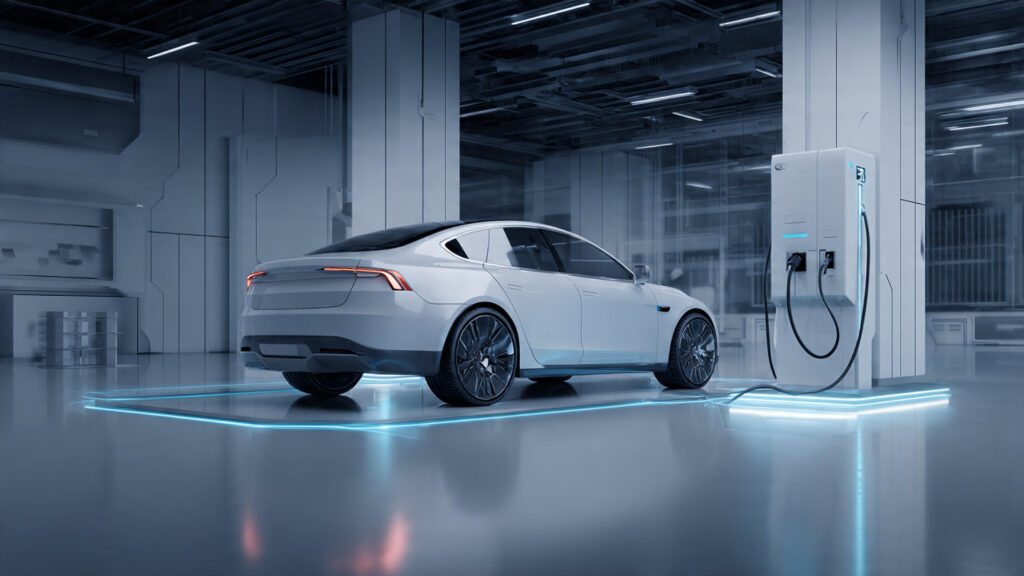
What it is: This is your personal charger, installed in your parking spot, much like a washing machine plug point. It uses Alternating Current (AC), which is the standard electricity coming into your home.
- Speed & Use: It’s the slowest charge—taking 6 to 10 hours to fully charge your car overnight. But since most driving is short-distance, charging while you sleep makes it perfect for 90% of your needs.
- The Latest Update (2025): The government’s latest guidelines make it much easier to get a dedicated connection. You can now request a separate metered connection from your local electricity provider (DISCOM) at a specialized, often cheaper, EV tariff. This removes the confusion and encourages more people to adopt convenient home charging.
2. The Road Trip Solution: Public Fast Charging (DC Level 3)
What it is: These are the high-power Direct Current (DC) chargers found along highways, in malls, and at petrol pumps. They are the EV equivalent of a diesel filling nozzle—designed for speed.
- Speed & Use: They use massive amounts of power to charge your EV up to 80% in 45–60 minutes (for compatible cars). This is what relieves “range anxiety.”
- The Latest Update (2025): The focus is no longer just on single chargers. Industry leaders like Tata Power and Jio-BP are investing in “Charging Clusters”—hubs that have 20-30 fast-charging guns in one spot. Why?
- Less Waiting: Multiple guns mean you don’t have to wait in line.
- Better Reliability: If one charger is down, others are available, boosting driver confidence.
- The “EV Corridor” Push: The new PM E-DRIVE Scheme is specifically dedicating ₹2,000 crore to ensure major national highways have a standardized, reliable network, essentially turning highways into “EV Corridors.”
3. The Fleet-Friendly Game Changer: Emerging Technologies
This is where India is getting truly innovative, moving beyond traditional plugs to solve unique challenges for its massive fleet of two- and three-wheelers.
| Technology | What it is | Why it Works for India |
| Battery Swapping | Instead of plugging in, you drive into a swap station and a machine replaces your depleted battery with a fully charged one in under 2 minutes. | Zero Downtime: This is the game-changer for commercial fleets (e-rickshaws, delivery bikes). Every minute a driver spends charging is a minute lost earning money. Swapping solves this instantly |
| Ultra-Fast Charging Hubs | New chargers running at 200kW+ that can add hundreds of kilometres of range in 15–20 minutes. | Future-Proofing: While only the newest, high-end EVs can use this speed today, these hubs are being built now by companies like Hyundai and Tata to ensure the infrastructure is ready for the next generation of fast-charging cars. |
4. Government Initiatives: The Fuel Pumping the Transition
Government policies have played the largest role in kickstarting this infrastructure boom.
- FAME-II Scheme: This scheme was the initial catalyst. It provided grants to set up thousands of public charging stations in cities and along highways. As of mid-2025, FAME-II sanctioned over 8,800 public charging stations, achieving its goal of providing the initial groundwork.
- PM E-DRIVE: This is the new flagship scheme, succeeding FAME-II, with a major focus on the infrastructure backbone. It allocates dedicated funds to ensure public charging stations are built in high-demand locations and along major transport corridors by early 2026.
- Standardization Push: The Ministry of Power is mandating compliance with standardized protocols (like CCS2), ensuring that any EV can charge at any public station—a critical step for reducing user confusion and boosting interoperability.
The Takeaway: While the number of chargers is growing rapidly (we now have over 29,000 public chargers nationally as of mid-2025, a five-fold jump since 2022!), the ratio of EVs-to-chargers still needs significant improvement, especially outside metro areas. The industry knows the challenge is not if to build, but how fast and where to build to guarantee a seamless experience for every driver.
The Battery & Cost Challenge
| Challenge | Explanation | Solution in Progress |
| High Upfront Cost | Batteries (the most expensive component, 30-40% of the EV price) make the initial purchase price much higher than comparable Internal Combustion Engine (ICE) vehicles. | Government Incentives: Schemes like FAME and state-level subsidies lower the initial cost for buyers. |
| Battery Life & Resale | Buyers and financiers fear battery degradation, the high replacement cost, and the lack of a standard “State of Health” metric for used EVs, leading to poor resale value. | PLI Scheme: Production Linked Incentive (PLI) for Advanced Chemistry Cell (ACC) is boosting local, cost-effective battery manufacturing. |
| Financing Hurdles | Banks and NBFCs perceive high risk, resulting in lower Loan-to-Value (LTV) ratios and higher interest rates for EV loans. | Innovative Financing: Models like Battery as a Service (BaaS) or battery swapping decouple the battery cost from the vehicle cost, drastically reducing the upfront price. |
🔌 2. The Charging Infrastructure Challenge
| Challenge | Explanation | Solution in Progress |
| Range Anxiety | The fear of running out of charge due to limited and scattered public charging points, especially on highways and in Tier-2/3 cities. | “EV Corridors”: Focused development of high-speed DC fast chargers every 25 km on major highways. |
| Low Utilization Rate | Operators don’t see returns on investment from high-cost DC fast chargers if few EVs use them, which slows down network expansion. | Clustering Strategy: Industry focus is shifting to building dense charging clusters (20-30 fast chargers in one spot) in high-demand urban zones first, ensuring high usage and commercial viability. |
| Grid Capacity | The existing distribution grid may not be ready to handle multiple fast chargers drawing massive, simultaneous power. | Smart Charging & Renewables: Using Smart Grid algorithms to manage charging demand and prioritizing solar + battery storage hubs to reduce the strain on the conventional grid. |
🛠️ 3. The Technology & Standardization Challenge
| Challenge | Explanation | Solution in Progress |
| Lack of Standardization | Different manufacturers use different charging plugs and communication protocols, causing confusion and compatibility issues for users. | Mandatory Protocols: Government is standardizing connectors (like Bharat EV standards) and billing systems to ensure seamless interoperability. |
| Heat Impact on Battery | India’s extreme hot climate can accelerate battery degradation and impact vehicle range. | Advanced Battery Management: Local R&D is focusing on sophisticated Battery Thermal Management Systems (BTMS) and better cell chemistry tailored for India’s high ambient temperatures. |
| “Clean” Electricity | If EVs are charged using coal-generated power, the environmental benefit is diluted. | Decarbonizing the Grid: The national focus on achieving 500 GW of non-fossil capacity by 2030 ensures that as the grid grows, the electricity used to charge EVs is increasingly clean. |