India’s electric vehicle market is shifting gears fast, and the new EV policies are changing what you’ll actually pay when you drive off the lot. If you’re shopping for an electric car, scooter, or three-wheeler, the real on-road price depends on a complex web of government incentives, tax breaks, and fees that can save you lakhs – or cost you more than expected.
This guide is for anyone considering an EV purchase in India, from first-time buyers comparing electric vs petrol costs to fleet operators evaluating long-term savings. We’ll break down exactly how EV policies India has rolled out affect your wallet across popular vehicle segments.
We’ll walk you through the current incentive landscape and show you real numbers on electric vehicle GST rates versus traditional vehicles. You’ll also get a clear picture of how EV road tax exemption and reduced registration fees stack up against petrol vehicles, plus what the charging infrastructure costs mean for your monthly budget. By the end, you’ll know the true cost difference between going electric and sticking with petrol across two-wheelers, three-wheelers, and four-wheelers.
Current EV Policy Landscape and Financial Benefits

Government incentives under FAME-II scheme for two-wheelers and three-wheelers
The Faster Adoption and Manufacturing of Electric Vehicles (FAME) scheme represents a cornerstone of India’s EV policies, offering substantial financial incentives to reduce the on-road price of electric vehicles. Under the current FAME-II framework, which remains valid until 2024, buyers can access up to 40% reduction on the upfront purchase cost for two-wheelers, making electric vehicle pricing significantly more competitive against conventional alternatives.
The scheme provides a specific subsidy structure of Rs 15,000 per kilowatt-hour (kWh) for two-wheeler EVs, directly impacting the EV on-road price calculation. This targeted approach ensures that the electric vehicle incentives India offers are proportional to the battery capacity, encouraging manufacturers to develop higher-capacity vehicles while maintaining affordability for consumers. Beyond vehicle purchases, the FAME scheme extends its support to developing charging infrastructure, creating a comprehensive ecosystem that addresses both acquisition costs and operational concerns.
GST reduction from 28% to 5% for electric vehicles versus conventional vehicles
The Goods and Services Tax framework creates a substantial pricing advantage for electric vehicles through reduced tax rates. Electric vehicle GST rates have been strategically set at just 5%, representing a dramatic reduction compared to the 28% GST imposed on internal combustion engine vehicles. This policy decision fundamentally alters the EV vs petrol cost comparison, making electric vehicles more financially attractive at the point of purchase.
This GST differential translates into immediate savings for consumers, effectively reducing the total cost burden by approximately 23 percentage points. The reduced tax structure applies across all electric vehicle categories, from two-wheelers to passenger cars, ensuring consistent policy implementation across different market segments.
State-level road tax exemptions and reduced registration fees
State governments have implemented complementary policies that further reduce electric vehicle registration fees and eliminate traditional road tax obligations. Several progressive states, including Delhi, Karnataka, Maharashtra, and Telangana, have introduced comprehensive EV road tax exemption policies as integral components of their regional electric vehicle adoption strategies.
These state-level interventions significantly impact the lifetime cost structure, as road tax and registration fees typically represent recurring or substantial one-time expenses for conventional vehicle owners. The elimination or reduction of these charges contributes measurably to the overall financial advantage of electric vehicles, enhancing their competitive position in the market.
Income tax deductions up to Rs 1.5 lakh on EV financing
The Finance Act 2019 introduced Section 80 EEB, providing substantial EV tax benefits through income tax deductions. This provision allows taxpayers to claim deductions up to Rs 1.5 lakh on the interest paid for electric vehicle financing, creating an additional financial incentive layer beyond direct purchase subsidies.
This deduction mechanism particularly benefits middle and upper-middle-class consumers who typically finance their vehicle purchases through loans. By reducing the effective interest burden, this policy makes electric vehicle financing more attractive while simultaneously supporting the broader adoption of sustainable transportation solutions across income segments.
Cost Breakdown Analysis: Petrol Vehicles vs Electric Vehicles
Upfront Purchase Price Comparison Across Vehicle Segments
The initial purchase price differential between petrol and electric vehicles varies significantly across segments, with EV policies India creating distinct cost structures. Without considering taxes or subsidies, petrol vehicles maintain a clear advantage in both four-wheeler and two-wheeler categories, offering lower entry barriers for consumers.
However, the complete electric vehicle pricing India scenario changes dramatically when factoring in government interventions. For four-wheelers, the final upfront price (including taxes and subsidies) shows petrol vehicles at Rs 9.3 lakh compared to electric vehicles at Rs 15.1 lakh. This substantial price gap of Rs 5.8 lakh represents one of the key barriers to EV adoption in the passenger car segment.
The two-wheeler segment presents a more competitive landscape. With taxes and subsidies incorporated, petrol two-wheelers are priced at Rs 0.92 lakh while electric variants command Rs 1.00 lakh, creating a minimal difference of just Rs 8,000. This narrow gap demonstrates the effectiveness of current EV subsidy schemes India in making electric two-wheelers more accessible.
Total Cost of Ownership Over Vehicle Lifetime Including Taxes and Subsidies
The comprehensive EV vs petrol cost comparison reveals a compelling financial narrative when examining lifetime ownership costs. Despite higher upfront investments, electric vehicles demonstrate superior economics through reduced operational expenses and favorable policy support.
For four-wheelers, the total cost per kilometer (including taxes and subsidies) stands at Rs 12.6 for petrol vehicles versus Rs 10.8 for electric vehicles. This Rs 1.8 per kilometer advantage translates to substantial savings over the vehicle’s operational life, offsetting the initial price premium through accumulated benefits.
Two-wheelers exhibit even more pronounced savings, with petrol vehicles costing Rs 3.7 per kilometer compared to Rs 2.2 per kilometer for electric variants. This 40% cost reduction stems from the combined impact of high petrol taxation, subsidized domestic electricity rates, reduced registration fees, lower road tax obligations, and upfront FAME-II subsidies specifically targeting two-wheeler EVs.
Running Cost Per Kilometer for Different Fuel Sources
The operational cost analysis reveals stark disparities between fuel sources, highlighting the economic advantages of electric mobility. Four-wheeler electric vehicles demonstrate exceptional efficiency with running costs of just Rs 0.7 per kilometer, contrasting sharply with petrol vehicles at Rs 6.4 per kilometer.
This nearly 9:1 cost ratio reflects the current fuel pricing structure where petrol commands Rs 97 per liter in Delhi, with Rs 36 attributed to various taxes. Meanwhile, EV charging tariff policies provide subsidized electricity at Rs 5.4 per kWh for electric vehicles, significantly below the average cost of supply at Rs 8 per kWh without subsidies.
Two-wheeler economics follow similar patterns, with electric vehicles achieving Rs 0.2 per kilometer running costs compared to Rs 1.9 per kilometer for petrol variants. These operational savings accumulate substantially over time, making electric vehicles increasingly attractive despite higher initial investments.
Impact of Battery Costs on Overall Vehicle Pricing
Battery technology represents the most significant cost component in electric vehicle manufacturing, directly influencing retail pricing strategies. For four-wheeler EVs, batteries constitute approximately 25% of the total vehicle cost, creating substantial pricing pressure that manufacturers must navigate while maintaining competitiveness.
Two-wheeler electric vehicles face even greater battery cost challenges, with batteries representing about one-third of the overall vehicle cost. This higher proportional impact explains why electric two-wheelers require more aggressive subsidy support to achieve price parity with conventional alternatives.
These battery cost dynamics significantly influence electric vehicle GST rates and subsidy allocation strategies, as policymakers recognize the need to offset this fundamental cost disadvantage until battery technology achieves greater economies of scale and technological advancement.
Road Tax and Registration Fee Structures

State-wise variations in road tax exemptions for EVs
Different states across India have implemented varying degrees of EV road tax exemption policies as part of their comprehensive electric vehicle adoption strategies. States like Delhi, Karnataka, Maharashtra, and Telangana have emerged as frontrunners in offering substantial road tax exemptions for electric vehicles through their dedicated state EV policies. These progressive policies create a significant financial advantage for EV buyers in these regions compared to states with less favorable incentive structures.
The variation in state-level policies means that the same electric vehicle model can have dramatically different on-road prices depending on the state of purchase and registration. This creates a complex landscape where consumers need to consider their state’s specific EV policies when calculating the total cost of ownership. States with robust EV road tax exemption frameworks are effectively reducing the upfront cost burden, making electric vehicles more financially attractive compared to conventional petrol vehicles.
Registration fee differences between conventional and electric vehicles
Electric vehicles enjoy a considerable advantage when it comes to registration fees compared to their conventional counterparts. This differential in registration costs represents a direct reduction in the initial purchase burden for EV buyers, contributing meaningfully to the lower lifetime cost of electric vehicle ownership. State EV policies across multiple jurisdictions have incorporated registration tax exemptions as a key incentive mechanism to accelerate electric vehicle adoption.
The registration fee benefit works alongside other financial incentives to create a cumulative cost advantage for electric vehicles. When combined with road tax exemptions, these registration fee differences can amount to substantial savings during the vehicle purchase process, making EVs more competitive against petrol vehicles in terms of on-road price calculations.
Special provisions for commercial electric vehicle segments
While comprehensive data on specific commercial EV provisions remains limited in current policy frameworks, it’s notable that 97% of registered EVs in India comprise two-wheelers and three-wheelers, including significant numbers of commercial vehicles such as e-autos, e-carts, and e-rickshaws. This distribution suggests that existing incentive structures, including general programs like FAME, are effectively supporting commercial electric vehicle adoption across these segments.
The predominance of commercial EVs in the two and three-wheeler categories indicates that current policy mechanisms are addressing the needs of commercial operators, though specific targeted provisions for commercial segments beyond general incentives appear to be an area for potential policy enhancement.
Time-limited nature of current tax benefits
A critical consideration for potential EV buyers is the temporary nature of many current tax benefits and incentive programs. The FAME-II subsidy, which represents one of the most significant financial incentives available for electric vehicle purchases, is explicitly time-bound with validity until 2024. This time-limited framework creates urgency for consumers and businesses considering electric vehicle adoption.
The temporary nature of these benefits introduces an element of policy uncertainty that could impact long-term EV adoption strategies. Buyers must factor in the possibility that current favorable tax structures may not persist indefinitely, potentially affecting the total cost of ownership calculations for vehicles purchased after incentive programs expire.
GST Framework and Its Impact on EV Pricing
Current 5% GST Rate Structure for Electric Vehicles
The GST framework for electric vehicles in India presents a significant departure from traditional automotive taxation. Under the current structure, all electric vehicles benefit from a preferential GST rate of 5%, regardless of their category, price point, or specifications. This uniform rate applies across the entire electric vehicle spectrum, from two-wheelers and three-wheelers to passenger cars and commercial vehicles. The simplified tax structure eliminates the complex tiered GST system typically seen in conventional automotive segments, making EV pricing more predictable and transparent for consumers. This standardized approach to electric vehicle GST rates India has been instrumental in reducing the administrative complexity for manufacturers and dealers while ensuring consistent tax benefits across all EV categories.
Comparison with 28% GST on Internal Combustion Engine Vehicles
The stark contrast between EV and ICE vehicle taxation becomes evident when examining the GST differential. Internal combustion engine vehicles face a substantially higher GST burden of 28%, creating a significant cost advantage for electric alternatives. This 23 percentage point difference translates into substantial savings for EV buyers, effectively making electric vehicles more financially attractive at the point of purchase. For a vehicle priced at ₹10 lakh (ex-factory), the GST differential alone results in approximately ₹2.3 lakh in savings when choosing an electric variant over its ICE counterpart. This pricing strategy directly supports the government’s push toward electric vehicle adoption while making the EV vs petrol cost comparison increasingly favorable for environmentally conscious consumers.
GST Implications for EV Charging Infrastructure
The supportive GST framework extends beyond vehicles to encompass the entire charging ecosystem. Previously taxed at 18%, EV chargers and charging stations now benefit from the reduced 5% GST rate, aligning infrastructure costs with vehicle taxation policies. This reduction significantly impacts the overall investment required for charging infrastructure development, potentially accelerating the deployment of charging networks across the country. The lower tax burden on charging equipment helps reduce the capital expenditure for charging station operators, which can translate into more competitive EV charging tariff policies for end users. This comprehensive approach to GST reduction ensures that the entire electric mobility ecosystem receives uniform tax benefits.
Future Sustainability of Preferential GST Rates
The long-term viability of maintaining such preferential GST rates presents both opportunities and challenges for policymakers. As electric vehicle adoption scales significantly, the reduced tax collection from the automotive sector could create substantial revenue gaps for the government. The current 5% rate, while effective in promoting EV adoption, may require reassessment as market penetration increases and the technology becomes more mainstream. Government finances face potential adverse impacts if EV sales volume grows exponentially while maintaining the current tax differential. This sustainability concern suggests that future policy adjustments may be necessary to balance the dual objectives of environmental promotion and fiscal responsibility, potentially leading to a gradual convergence of GST rates as the EV market matures.
Segment-Wise Financial Impact Analysis
Two-wheeler segment benefits and subsidy structures
The two-wheeler segment represents the most significant adoption in India’s EV transformation, with two-wheelers and three-wheelers collectively constituting 97% of all registered EVs. Under the FAME-II scheme, two-wheeler EVs receive substantial financial support through an upfront subsidy structure that delivers Rs 15,000 per kWh, resulting in up to 40% reduction on the upfront purchase cost.
The EV on-road price for a typical 2W electric vehicle reaches Rs 1.00 lakh after incorporating all taxes and subsidies, which includes a net subsidy benefit of Rs 0.4 lakh in the ‘Taxes – Subsidies’ component. This pricing structure makes electric two-wheelers significantly more accessible to Indian consumers.
The operational cost advantages are even more compelling, with EV vs petrol cost comparison showing dramatic differences in running expenses. Electric two-wheelers operate at just Rs 0.2 per kilometer (including taxes and subsidies), compared to Rs 1.9 per kilometer for petrol-powered two-wheelers—representing a 90% reduction in operational costs.
Battery costs remain a critical consideration, accounting for approximately one-third of the total vehicle cost in the two-wheeler EV segment, highlighting the importance of battery technology advancement and cost reduction strategies.
Three-wheeler commercial vehicle incentives
Three-wheelers, including e-autos, e-carts, and e-rickshaws, form a crucial part of India’s commercial transportation ecosystem and represent a major segment within the 97% EV adoption share alongside two-wheelers. These vehicles benefit from electric vehicle incentives India through the FAME scheme’s financial support structure.
The commercial nature of three-wheeler operations makes the EV tax benefits particularly valuable, as operators can maximize the return on investment through reduced operational costs and government incentives. The Draft Battery Swapping Policy specifically addresses the needs of 2W and 3W vehicles, designed to facilitate efficient battery replacement at dedicated swapping stations, addressing range anxiety and operational downtime concerns.
This segment’s adoption is driven by the compelling economics of electric operation in commercial applications, where high daily usage amplifies the cost savings from reduced per-kilometer operational expenses.
Four-wheeler passenger car cost implications
The four-wheeler passenger car segment presents a more complex financial landscape. The electric vehicle pricing India shows a final price of Rs 15.1 lakh for EVs (with taxes and subsidies) compared to Rs 9.3 lakh for equivalent petrol cars, with EVs receiving Rs 0.8 lakh in net taxes and subsidies benefit.
Despite the higher upfront investment, the EV vs petrol cost comparison reveals substantial operational savings. Four-wheeler EVs operate at Rs 0.7 per kilometer (with taxes and subsidies), dramatically lower than Rs 6.4 per kilometer for petrol four-wheelers—representing an 89% reduction in running costs.
The electric car cost breakdown India shows batteries accounting for approximately one-fourth of the total vehicle cost, making battery cost reduction crucial for improving affordability. The higher purchase price creates a longer payback period compared to smaller vehicles, requiring careful consideration of usage patterns and total cost of ownership.
Heavy commercial vehicle and bus segment considerations
Heavy-duty vehicles, including buses and trucks, represent the most energy-intensive segment of road transport, accounting for 79% of total energy demand in road transport as of 2019. However, this segment currently lacks comprehensive policy framework development compared to lighter vehicle categories.
The absence of specific EV subsidy schemes India for heavy commercial vehicles represents a significant policy gap, considering their substantial environmental impact and energy consumption. Future policy development in this segment will be critical for achieving broader transportation electrification goals and reducing commercial transportation’s carbon footprint.
Charging Infrastructure Costs and Tariff Policies
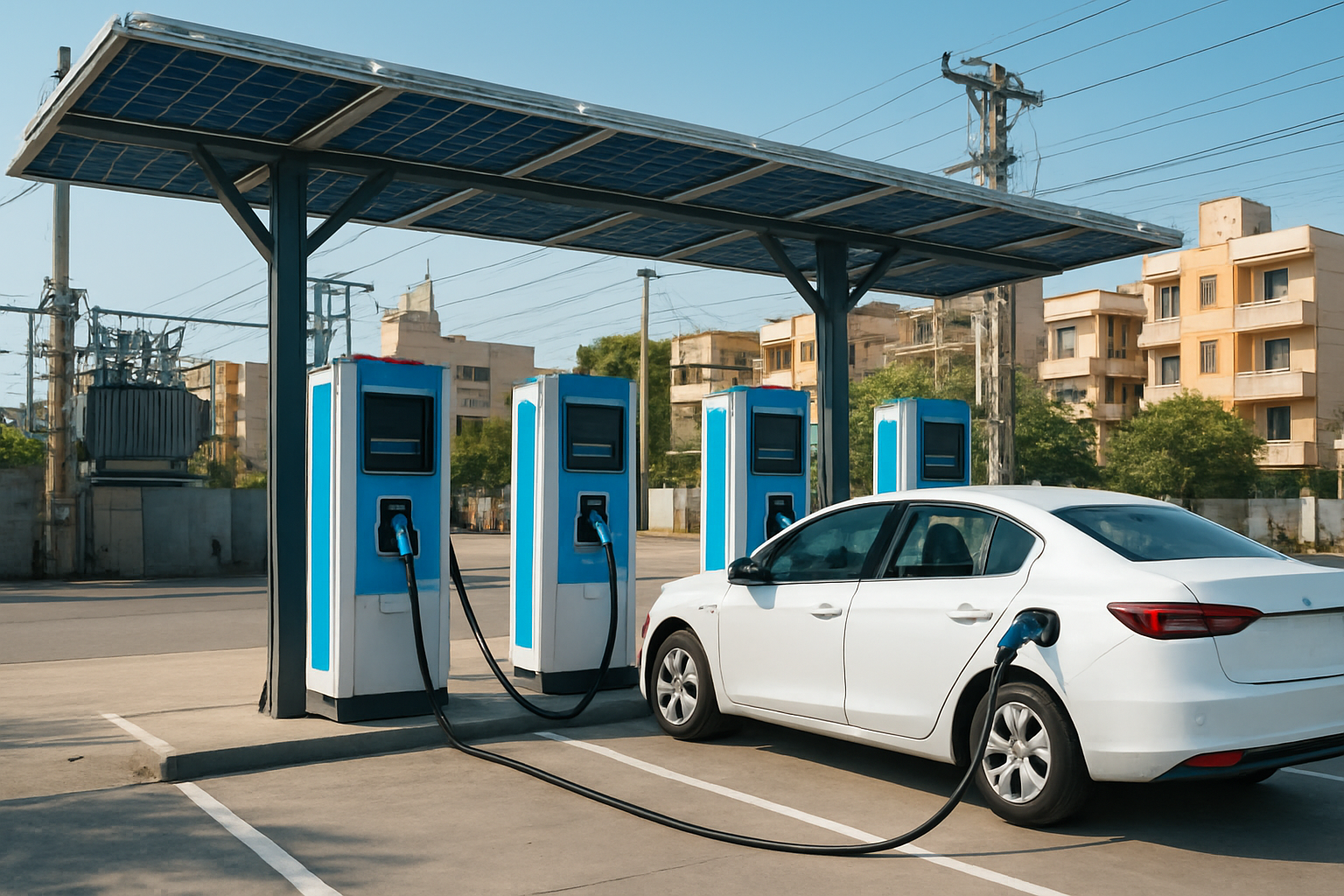
Subsidized Electricity Tariffs for EV Charging in Various States
State-specific EV policies have significantly reduced electricity costs for electric vehicle owners through targeted tariff subsidies. Delhi leads this initiative with concessional EV charging tariffs set at Rs 5.4/kWh, which represents a substantial reduction from the average cost of supply (ACS) of Rs 8/kWh. This 32.5% reduction in EV charging tariff policies directly impacts the operational costs for electric vehicle owners in the capital.
The subsidized domestic electricity prices for EVs translate to lower costs for home charging, making electric vehicles more financially attractive compared to traditional petrol vehicles. Additionally, the FAME scheme provides complementary financial incentives specifically targeted at developing charging infrastructure, further supporting the adoption ecosystem.
However, concerns have emerged regarding the potential misuse of subsidized agricultural electricity connections for domestic or commercial EV charging purposes. This misuse could lead to significant financial losses for distribution companies (discoms), prompting states like Madhya Pradesh to mandate separate power connections specifically for EV charging to prevent such irregularities.
Time-of-Day Metering and Peak Hour Pricing Strategies
To address the increased load on electricity distribution systems due to growing EV adoption, utilities are implementing time-of-day metering strategies. These systems employ higher electricity prices during peak hours, effectively incentivizing consumers to charge their vehicles during off-peak periods.
This demand management approach helps distribute the electrical load more evenly throughout the day, preventing grid stress during traditional peak consumption hours. By encouraging charging during low-demand periods, these pricing strategies contribute to overall grid stability while potentially offering cost savings to EV owners who can adjust their charging schedules.
Public Charging Station Cost Structures
The government has taken significant steps to reduce the financial burden of establishing public charging infrastructure. The GST rate for EV chargers and charging stations has been reduced from 18% to 5%, representing a 72% reduction in tax liability for infrastructure developers.
This substantial GST reduction on charging equipment makes public charging station deployment more economically viable for private investors and public entities alike. The reduced tax burden translates to lower capital expenditure requirements for setting up charging networks, ultimately supporting the expansion of electric vehicle charging infrastructure across the country.
Home Charging Versus Commercial Charging Cost Differences
Home charging presents distinct cost advantages due to subsidized domestic electricity rates specifically designed for EV users. Consumers can utilize any available residential outlet for charging, benefiting from the lower tariff structure compared to commercial charging options.
The subsidized domestic electricity prices create a clear financial incentive for home-based charging solutions. However, this cost differential has raised concerns about potential misuse of residential connections for commercial purposes. States are implementing regulatory measures to ensure proper categorization of charging usage, maintaining the integrity of the subsidized pricing structure while preventing revenue losses for electricity distribution companies.
Long-term Financial Sustainability Concerns

Impact on government revenue from reduced fuel taxes
The widespread adoption of electric vehicles poses a significant challenge to government revenue streams that have traditionally relied heavily on petroleum product taxation. Currently, petrol and diesel carry substantial tax burdens, with approximately 50-60% of the pump price consisting of various taxes including excise duties, VAT, and other levies. This taxation structure has been a cornerstone of both central and state government revenue generation for decades.
As consumers increasingly shift toward electric vehicles driven by favorable EV policies India and electric vehicle incentives India, the corresponding reduction in fuel consumption directly translates to diminished tax collections. This revenue erosion becomes particularly concerning when considering the scale of potential EV adoption in the Indian market, where millions of vehicles could transition from fuel-dependent to electricity-powered transportation.
Strain on state finances from multiple tax exemptions
The financial pressure on state governments intensifies as multiple tax concessions converge simultaneously. The combination of reduced GST rates on electric vehicles, coupled with waived road tax and registration fee exemptions under various EV subsidy schemes India, creates a compounding effect on public finances. These EV tax benefits significantly reduce the EV on-road price, making electric vehicles more attractive to consumers but simultaneously creating substantial revenue gaps for state treasuries.
State governments find themselves in a paradoxical situation where promoting environmentally sustainable transportation through EV road tax exemption and reduced electric vehicle registration fees undermines their traditional revenue sources. As EV adoption rates accelerate, this financial strain becomes increasingly pronounced, forcing states to reconsider their long-term fiscal strategies.
Electricity subsidy burden on distribution companies
A concerning trend emerges with the potential misuse of subsidized agricultural electricity connections for EV charging purposes. This unauthorized usage pattern places additional financial stress on electricity distribution companies (discoms), which already operate under challenging financial conditions. The misappropriation of agricultural power subsidies for vehicle charging not only increases operational losses for discoms but also escalates the overall government subsidy burden.
This issue becomes particularly problematic as EV charging tariff policies struggle to balance affordability with cost recovery. Distribution companies face mounting pressure to maintain low electricity rates for EV charging while managing the increased load and infrastructure demands that widespread electric vehicle adoption brings.
Future policy adjustments as EV adoption scales
As electric vehicle penetration reaches critical mass, policymakers will inevitably need to reassess and recalibrate existing incentive structures. The current framework of generous subsidies and tax exemptions, while effective in promoting initial EV adoption, becomes financially unsustainable when applied to a mature market with millions of electric vehicles.
Future policy adjustments will likely involve gradual reduction of incentives, introduction of alternative revenue mechanisms, and development of new taxation models that account for electric vehicle usage. These changes will be essential to maintain fiscal balance while continuing to support the electric mobility transition in India’s evolving transportation landscape.
The evolving EV policy landscape in India presents a complex web of financial incentives and challenges that significantly impact vehicle ownership costs across different segments. While current policies including reduced GST rates, lower registration fees, FAME-II subsidies, and concessional electricity tariffs make EVs more cost-effective than petrol vehicles over their lifetime, the sustainability of these benefits remains uncertain. The government’s substantial support through tax reductions and subsidies creates an attractive proposition for consumers, particularly in the two-wheeler segment where EVs can be 40% cheaper to operate than conventional vehicles.
However, the long-term viability of these policies faces significant headwinds. As EV adoption scales up, the government will experience reduced revenue from fuel taxes and increased subsidy burdens, potentially forcing policy adjustments. The charging infrastructure costs, battery mineral dependencies, and grid capacity requirements add another layer of complexity to the total cost equation. For consumers considering an EV purchase, understanding these current incentives while being prepared for potential policy changes will be crucial for making informed decisions. The transition to electric mobility is inevitable, but the financial landscape supporting it will likely evolve as market dynamics and government priorities shift over the coming years.